

Choosing a next step with tobacco

Tobacco comes in many forms. By understanding the different types of tobacco, you can make an informed decision about your relationship with it.

Tobacco

Choosing a next step with tobacco

What is commercial tobacco?

Commercial tobacco is made by companies and sold in products like cigarettes, chew, cigars, hookah, and other items. It is mass produced for profit. Commercial tobacco contains thousands of chemicals. When it burns, it creates more than 7,000 chemical compounds.

Tobacco companies design their products to be appealing and addictive. They have targeted American Indian and Alaska Native people through marketing, giveaways, events, and discounts. They misuse cultural images and ideas.

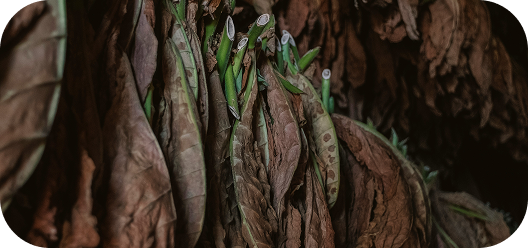
Dried brown tobacco leaves hanging in dense rows inside a curing barn.
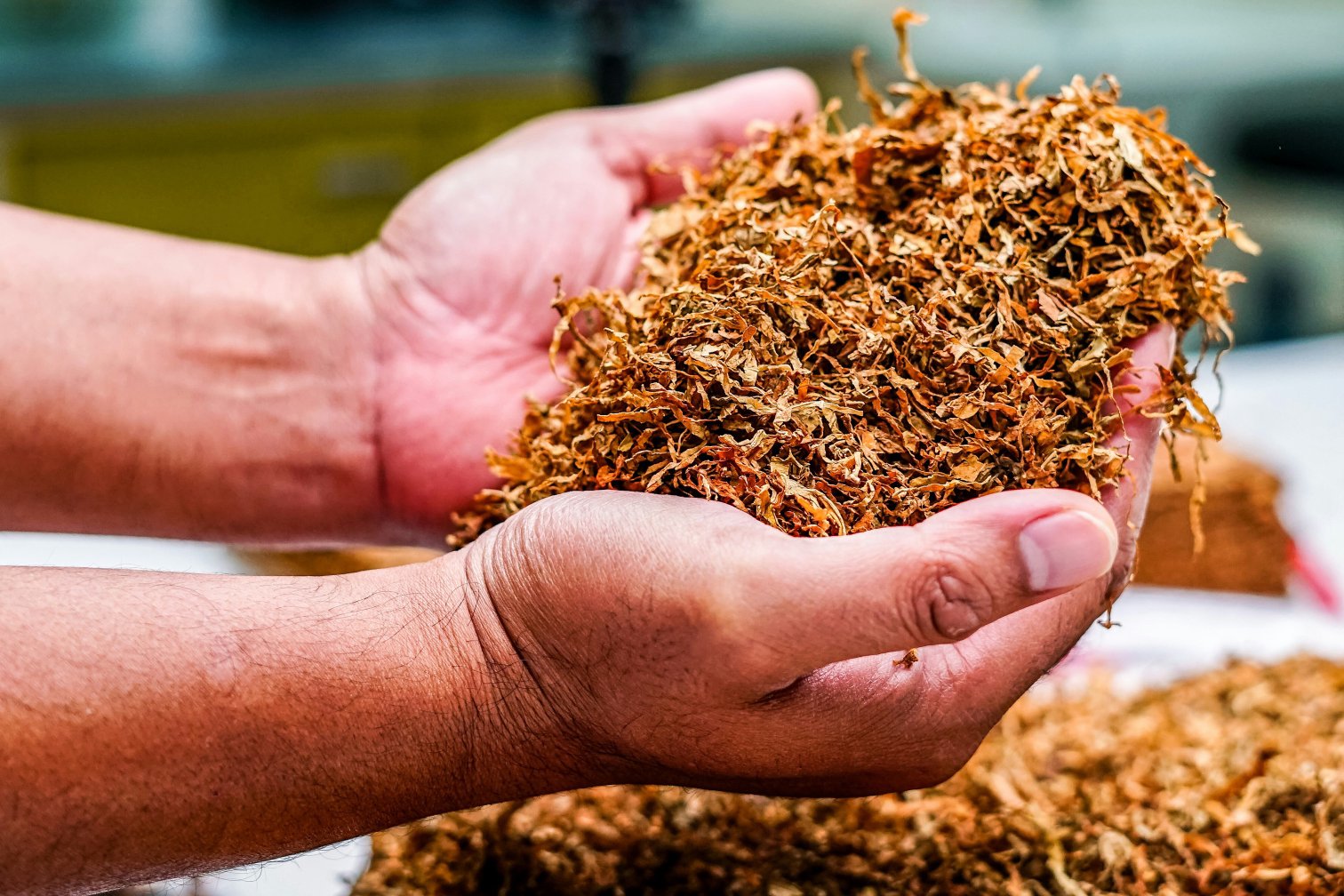
Two cupped hands hold a mound of shredded, dried tobacco leaf, with more loose piles of it on a work surface behind.
What is nicotine?

Nicotine is the main addictive chemical in commercial tobacco. It causes a quick feeling of stimulation, followed by a drop in mood that makes the person want more.

Nicotine harms the body by:

  • Increasing stress from withdrawals
  • Speeding up the heart rate
  • Tightening blood vessels
  • Lowering oxygen in the blood
  • Raising blood pressure
The Surgeon General’s 2014 report on Smoking and Health shows that smoking is linked to...
  • 15 types of cancer
  • Heart disease
  • Stroke
  • COPD
  • Asthma
  • Diabetes
  • Other diseases

Smoking commercial tobacco is the leading preventable cause of lung cancer. People who breathe secondhand smoke are also at risk of lung cancer among other health issues. Read the 2024 Surgeon General's Report  to learn more about the harmful effects of commercial tobacco and why some groups of people are affected more than others.

“That's the door I want to open, helping people connect back to their own heritage, because the hunger is real.”

Opening the door

I didn't understand my own heritage until I was a teenager, and I know what it's like to be the kid nobody explained anything to. Now my daughter and I teach others what our traditions actually mean, including how the tobacco sold today is different from what our people used to grow.

This story is about: Teaching, reconnecting with tradition, and understanding commercial tobacco

Next step: Help when you’re ready

Tiny actions

When a craving hits, small things over time can help you quit.

One small pause

  • Wait five minutes, hold something in your hand, text someone, then try again.

Switch the moment

  • Change rooms, step outside, sip water, or chew gum.

Make it a little harder

  • Keep tobacco out of reach, or not in your main spot

Tell one person

  • Text someone: ‘I’m choosing something different today.’

Get Support

  • Call or text a quitline, to find out what’s available.
Learn about smoking cessation

Support and resources for patients, survivors, and caregivers.

Health information on tobacco prevention and staying well.

Information on traditional tobacco, commercial tobacco, and keeping tobacco sacred in Native communities.

Information on various commercial tobacco products (including vapes) and current smoking rates in the United States.

Commercial tobacco education, training, and quit support for American Indian communities.

Cancer prevention and lung health resources created for Native communities.

Support for Native youth and adults learning about commercial tobacco and finding help to quit.

Choose a step that feels right today

You don't have to do all of this at once. Pick the one that feels right to you.

It’s okay to pause.

You can go back and choose a different path later.